

Steel structures are among the most widely used construction systems in industrial, commercial, and logistics projects due to their strength, durability, and fast installation. However, selecting the appropriate steel thickness and structural sections remains one of the most critical factors affecting the safety, performance, and cost-efficiency of any project.
to watch video click here
Many people assume that using thicker steel automatically results in a safer structure. From an engineering perspective, this is not always true. A successful design is not based on using more steel, but rather on selecting the right sections and thicknesses according to the actual requirements of the project.
The first step in selecting steel sections is determining the loads that the structure will be required to withstand. These include the self-weight of the structure, roof and cladding loads, as well as operational loads generated by equipment, stored materials, and personnel movement within the facility.
Environmental loads must also be considered, including wind loads, snow loads, rainfall, and seismic forces in earthquake-prone regions.
Span Lengths and Column Spacing
The distance between columns and supports has a significant impact on section selection. As span lengths increase, structural members are subjected to higher bending forces and deflections, requiring larger or more efficient sections to maintain structural stability and safety.
This is why two buildings with similar floor areas may require completely different steel sections depending on their layout and structural design.
The Importance of Section Shape
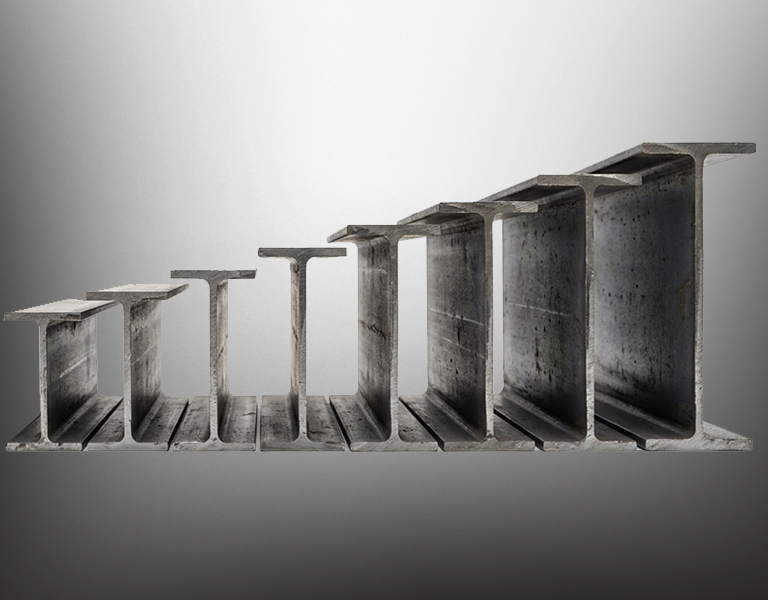
Structural performance depends not only on steel thickness but also on the geometry of the section itself. Profiles such as H-Beams, IPE beams, and Box Sections are specifically engineered to provide maximum strength and stiffness while optimizing material usage.
In many cases, selecting a more suitable section can provide greater structural efficiency than simply increasing steel thickness, resulting in lower weight and reduced project costs.
Steel Grade and Material Properties
Different steel grades offer varying levels of yield strength, tensile strength, and mechanical performance. Choosing the appropriate steel grade is therefore a key factor in determining the required section size and thickness.
Higher-strength steel can often achieve the desired structural performance with less material, improving both efficiency and economy.
The Role of Structural Analysis
Once all design parameters have been established, engineers perform detailed structural analysis using specialized engineering software. These tools simulate different loading conditions and ensure that every structural member performs safely within the limits specified by applicable design codes and standards.
Structural analysis provides the foundation for selecting the correct steel sections and thicknesses based on engineering calculations rather than assumptions.
Balancing Safety and Cost
The objective of structural design is not to maximize the amount of steel used, but to achieve the ideal balance between safety, durability, and cost-effectiveness. A well-engineered design minimizes unnecessary material consumption while maintaining the required structural performance.
This approach reduces project costs, improves efficiency, and ensures long-term reliability.
Selecting the right steel thickness for a steel structure is a comprehensive engineering process that involves evaluating loads, span lengths, environmental conditions, steel grades, and structural analysis results. Proper section selection is essential for achieving a safe, efficient, and economical structure.
At Hasanoglu Steel Structures, we believe that precise engineering and optimized design are the foundation of every successful steel construction project. Our commitment is to deliver reliable, high-quality steel structures that meet international engineering standards and our clients’ expectations.